Customer health and churn risk intelligence for a B2B accounting SaaS.
Published · Updated
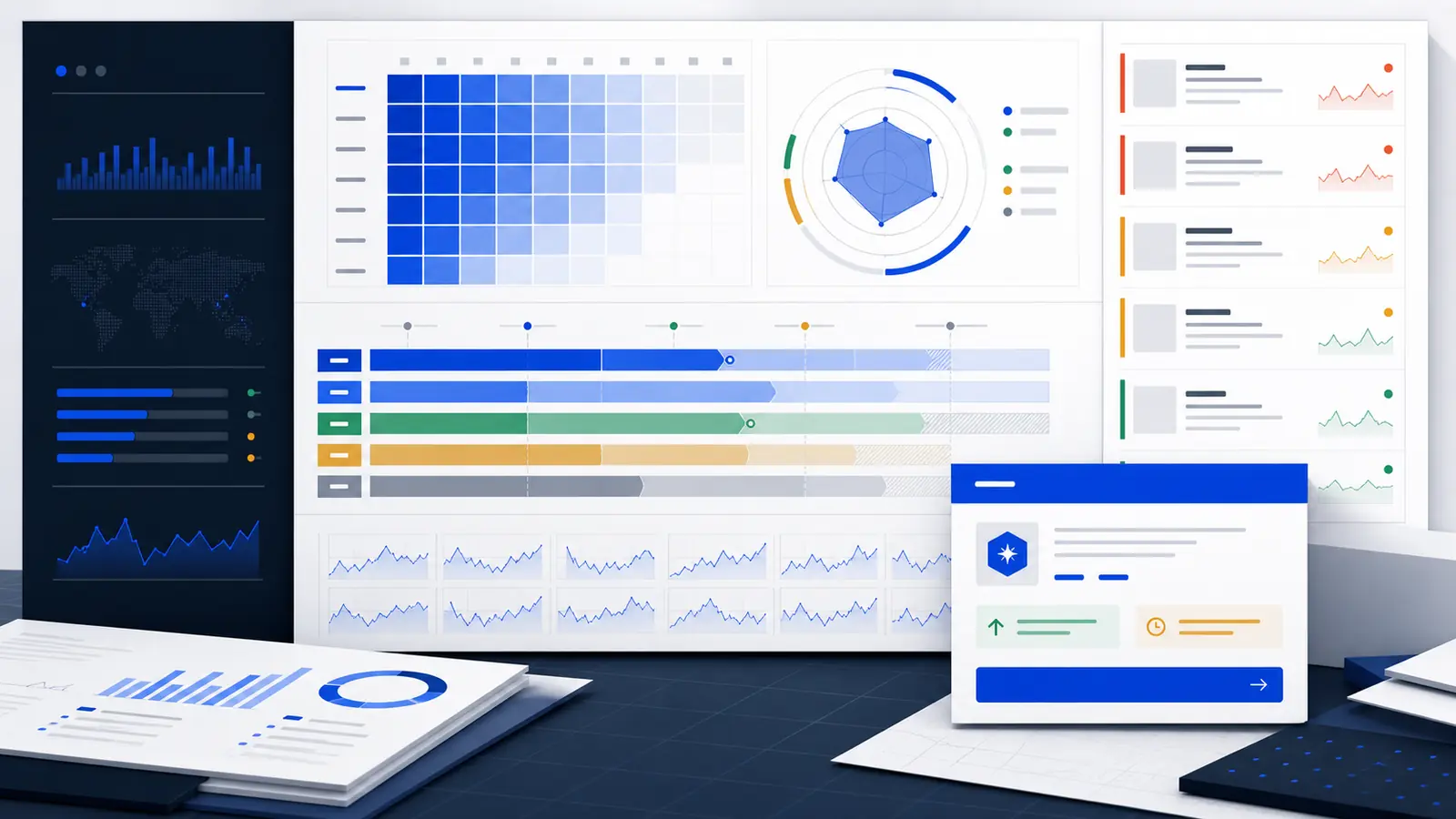
Customer risk was scattered across product usage, module adoption, compliance activity, support tickets, billing status, renewal timing, and CSM notes. Teams could see fragments of the problem, but not a single explainable view of account health or revenue at risk.
Turn scattered customer signals into a retention intelligence layer: health score, churn risk score, explainable drivers, save plans, CSM alerts, and leadership visibility by ARR, segment, module, region, and renewal window.
What shipped
Start with the account, not the dashboard
The system creates a Customer 360 view for each firm: product usage, purchased modules, compliance outcomes, support experience, billing status, renewal date, and engagement history. Instead of asking CSMs to inspect five systems, the agent shows what changed and why it matters.
Score health differently for accounting workflows
Accounting SaaS usage is seasonal. A generic login score creates false alarms during quiet periods and misses risk during filing deadlines. The health model weighs module adoption, GST/TDS/ITR activity, abandoned compliance workflows, support friction, and renewal timing together.
Move from risk visibility to a save plan
The agent does not stop at "high risk." It explains the drivers, then recommends playbooks: priority CSM call, support escalation, refresher training, module rollout, renewal prep, or migration-risk intervention. Feedback labels from CSMs improve the next cycle.
What it looked like in action
Representative mockup using anonymized sample data. The interaction patterns reflect the production flows; names, amounts, IDs, and dates are illustrative.
Business outcomes
Technical work demonstrated
The systems and controls behind the story above.
Weighted health and churn scoring
Health combines product usage, module adoption, compliance activity, support experience, engagement, and billing/renewal signals; churn risk models usage decline, support friction, renewal risk, low adoption, compliance failure, and migration indicators.
OpenAI Agents SDK explanation layer
The agent converts score movement into plain-English risk explanations, recommended playbooks, CSM digests, and renewal briefs through typed tool calls over customer signals.
Seasonality-aware accounting SaaS logic
Scoring compares activity to filing windows, prior filing seasons, purchased modules, and customer segment so quiet periods do not create false churn alarms.
Feedback loop for retention outcomes
CSM labels such as accurate, false alarm, saved, churned, renewed, or needs follow-up become training and calibration data for later predictive churn models.
Revenue-at-risk visibility
Leadership can filter risk by ARR, renewal date, product module, segment, geography, and risk driver to see where intervention capacity should go first.
Audit-ready recommendation trail
Each health change, churn risk alert, and save-plan recommendation stores the source signals and scoring version used to generate it.
Architecture
Customer 360 signal model
Usage events, compliance workflows, support tickets, billing records, engagement notes, and customer profile data are normalized into account-level signals for scoring and explanation.
Two linked scoring layers
A health score measures value realization; a churn risk score measures cancellation, downgrade, migration, and renewal risk. The agent explains movement in both scores using evidence rather than generic retention language.
CSM workflow controls
Alerts are prioritized by ARR, renewal window, segment, and risk movement. Every recommendation can be accepted, dismissed, labeled false alarm, or marked saved/churned/renewed for future tuning.
Explainable scoring
Customer-facing teams see the account signals behind each score, not an opaque risk label.
Human-owned intervention
The agent recommends action; CSMs and account owners decide how to engage the customer.
Role-aware visibility
Commercial, support, leadership, and product teams see the account views relevant to their role.
Outcome feedback
CSM labels and renewal outcomes are stored so the system can improve without hiding errors.
Where this proof applies
This case study supports the solution and service pages below because the same workflow, controls, and handoff model are visible in the implementation.