GPT-5.6 should not be read as another reason to buy every new model license. It should be read as a pressure test for enterprise AI adoption. The OpenAI deployment safety hub documents GPT-5.6 preview readiness, while OpenAI platform docs explain the model and prompt-caching controls enterprise teams need around any rollout (OpenAI system card, OpenAI model docs, OpenAI prompt caching).
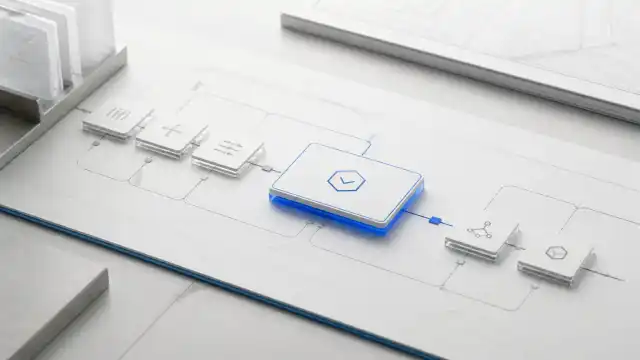
That family structure makes the adoption problem clearer. Most companies do not need one model everywhere. They need a routing, governance, and integration layer that knows when to use the strongest model, when to use a cheaper model, and when to stop for review.
When this needs AI adoption consulting
GPT-5.6 becomes an adoption issue when teams are already using AI in scattered ways. One group has ChatGPT. Another has internal automations. Engineering tests Codex. Support wants faster replies. Finance wants document extraction. Leadership sees spend rising but cannot tell which workflow is working.
That is the point where a model upgrade alone is not enough. The company needs a map of active use cases, data exposure, integration points, approval needs, cost patterns, and measurable outcomes.
Move from model research to an adoption conversation when the same question keeps returning: which work should use Sol, which work should use Terra or Luna, and which work should not use a frontier model at all?
What GPT-5.6 changes for enterprise teams
The safest enterprise reading is to treat GPT-5.6 as a preview capability until access, deployment terms, model behavior, and operating controls are confirmed for the specific environment (OpenAI system card).
OpenAI model documentation and the GPT-5.6 preview system card point buyers toward a controlled evaluation mindset rather than a blanket rollout (OpenAI model docs, OpenAI system card). Those capabilities are powerful, but they raise a practical operating question: who decides when deeper reasoning is worth the cost and latency?
OpenAI platform docs describe prompt caching as an explicit cost and latency control for repeated context, which matters when teams move from experiments to repeated production workflows (OpenAI prompt caching). That is a real architecture signal. Cost control is becoming a design feature, not a procurement footnote.
Operating model: route by risk, not hype
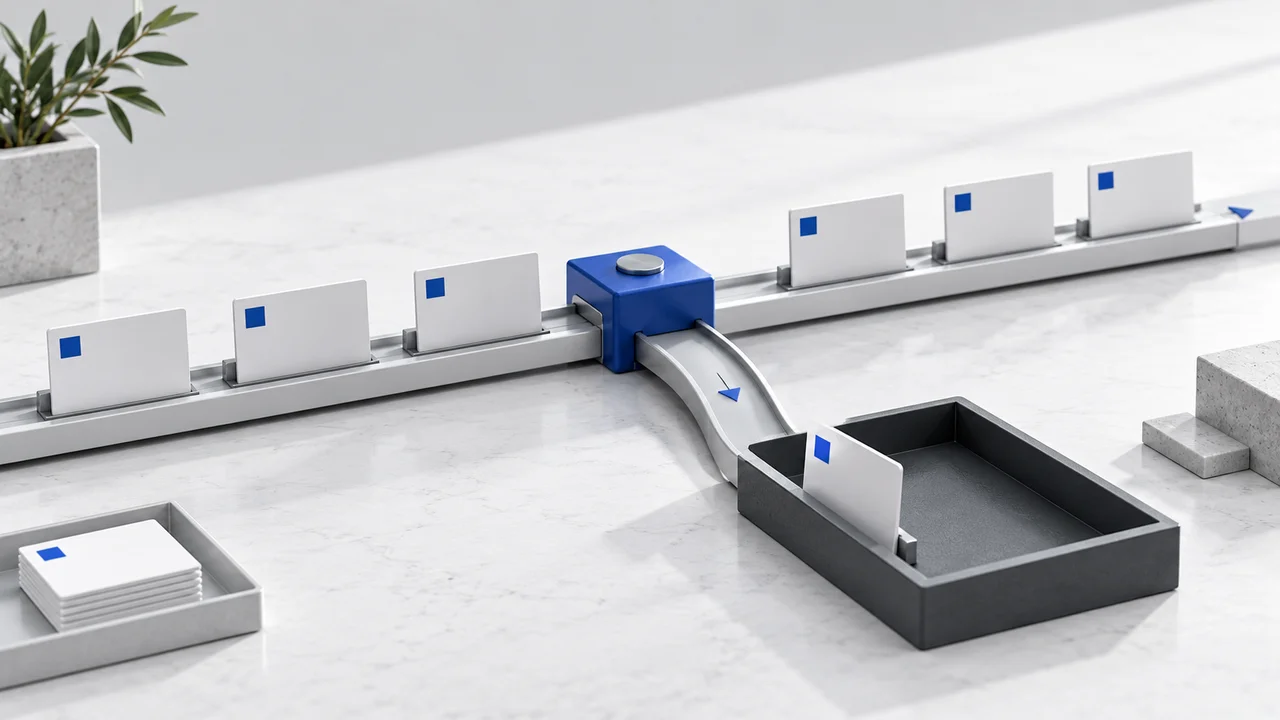
A sane GPT-5.6 adoption plan starts with routing rules. Sol should be reserved for work where reasoning depth changes the outcome: complex code investigation, high-stakes review, difficult synthesis, or tasks that need subagent coordination. Terra fits routine professional work where quality matters but the top-tier model is not necessary. Luna fits high-volume, low-risk work where speed and cost matter most.
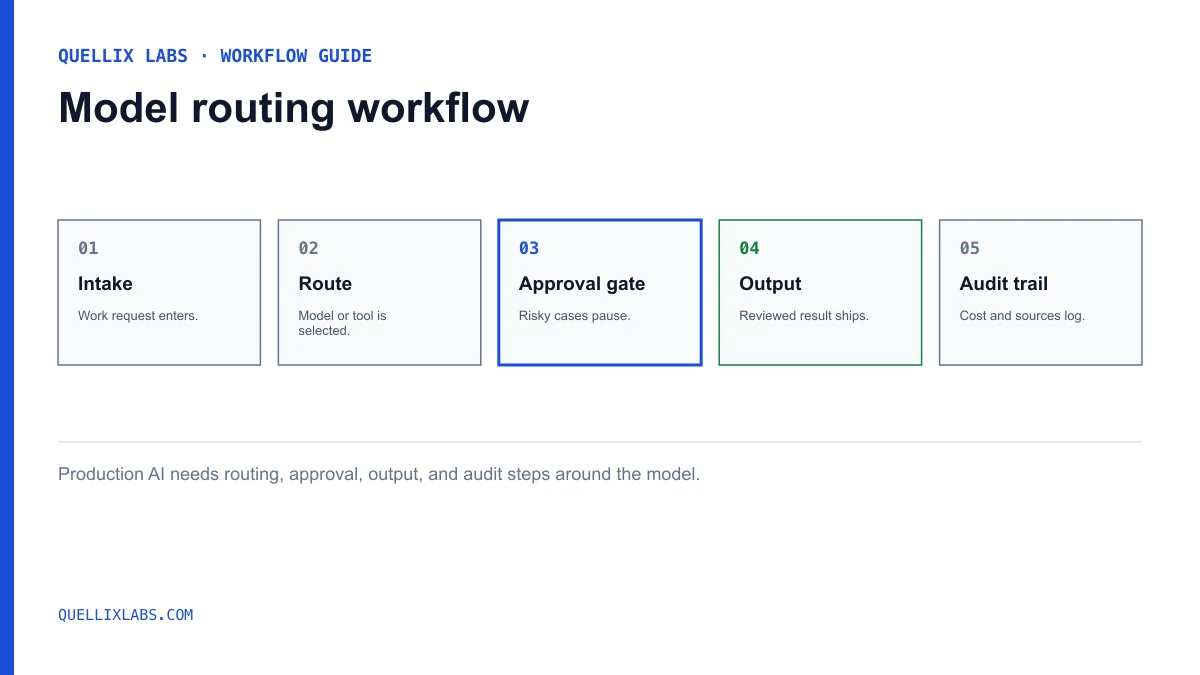
Model routing workflow
 Open the Pinterest-ready portrait graphic
That routing should be visible. If a support assistant uses Luna for classification, Terra for draft generation, and Sol for rare escalation analysis, the logs should show that path. Operators should know why the system chose a model and what it cost.
The same idea applies to internal knowledge search, document processing, predictive scoring, and AI agents. Model choice should follow workflow risk, output value, latency needs, and review burden. It should not follow executive preference or launch-day excitement.
Build path for a governed rollout
The first step is a use-case inventory. List where AI is already used, what data it touches, what output it creates, and who owns the final decision. Then group the work into answer-only workflows, extraction workflows, prediction workflows, and action-taking workflows.
Next, define the model-routing policy. Use cheaper models for classification, formatting, summarization, and first-pass drafting when evaluation shows they are good enough. Reserve stronger reasoning for complex cases, ambiguous context, or expensive mistakes.
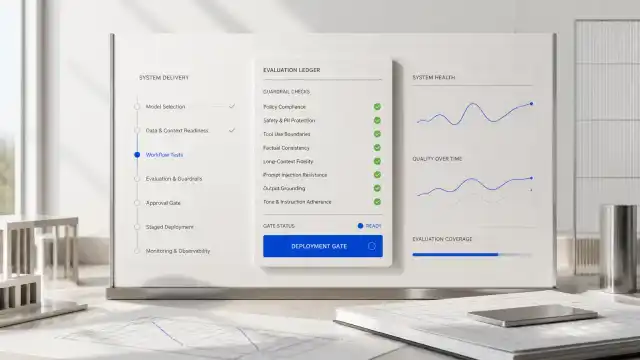
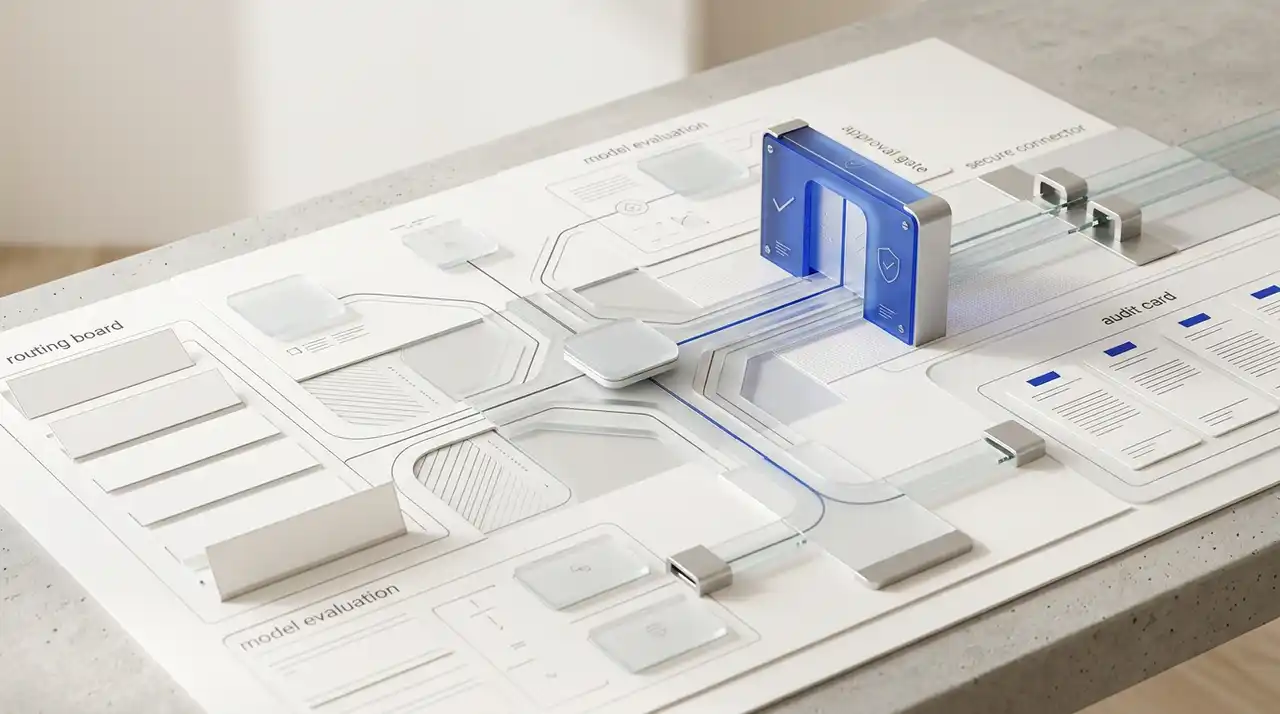
Then add approval gates. A generated support reply, CRM update, financial extraction, or HR answer should stop when the system sees low confidence, restricted data, conflicting sources, or external customer impact. The approval record should include the prompt context, retrieved sources, selected model, cost, and final reviewer action.
Finally, measure workflow outcomes. Track time saved, correction rate, escalation rate, model cost per completed task, blocked requests, and reviewer overrides. Without those numbers, a GPT-5.6 rollout becomes a collection of anecdotes.
Risks and limits
The biggest risk is over-centralizing on the flagship model. Sol may be the right model for hard cases, but using it everywhere can make the operating cost unacceptable. A company that cannot explain when Sol is needed will struggle to defend its AI budget.
The second risk is treating preview capability as production readiness. Preview-oriented documentation is not a production rollout plan by itself. Enterprises should avoid hard dependencies until access, pricing, support, and data terms are settled for their environment.
The third risk is unsafe delegation. Stronger agentic ability does not remove the need for permissions, review, and fallback paths. It increases the importance of those controls because the system can complete more steps before a person notices a mistake.
What Quellix would build
For GPT-5.6, Quellix would build an AI adoption and integration plan before building another isolated assistant. The primary service context is AI Adoption Consulting & Integration Services. If the rollout includes tool-using workflows, the implementation path would also use Enterprise AI Agent Development Services.
The first deliverable would be a workflow and model-routing map. It would define which tasks can use fast models, which need deeper reasoning, which need retrieval, which need human review, and which should not be automated yet. The second deliverable would be a working pilot with logs, cost tracking, fallback behavior, and reviewer feedback.
That is the useful way to adopt GPT-5.6. Do not start with the model family. Start with the work, the risk, and the evidence needed to trust the result.
Before you roll out GPT-5.6, decide this
GPT-5.6 is mainly an adoption and operating-model decision. Start with AI Adoption Consulting & Integration Services when the work is model routing, governance, cost controls, and rollout planning. Bring in Enterprise AI Agent Development Services only when a workflow needs controlled tool use, approvals, and system writeback.