2026-10-11
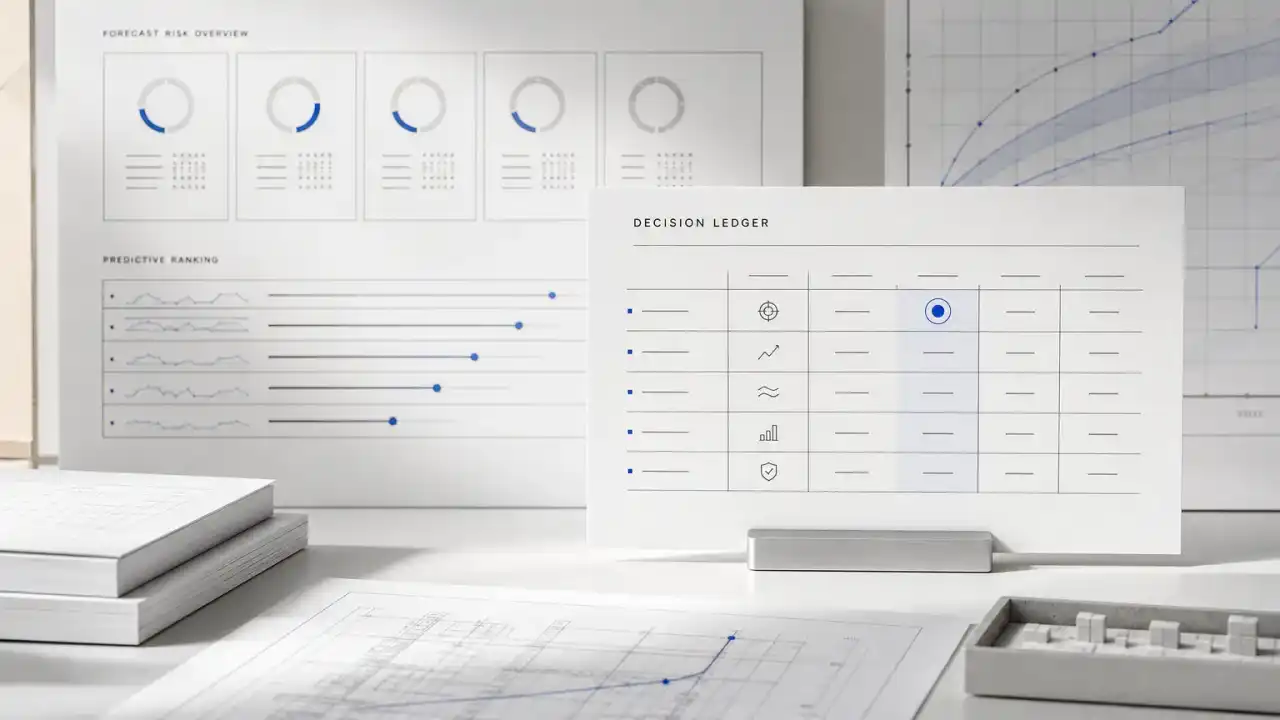
Claude Sonnet 5.5 and the Forecast Review Workflow
Sonnet 5.5 offers a new forecast-review candidate. Test evidence, historical context, and planner approval separately from forecast accuracy.
2026-10-11
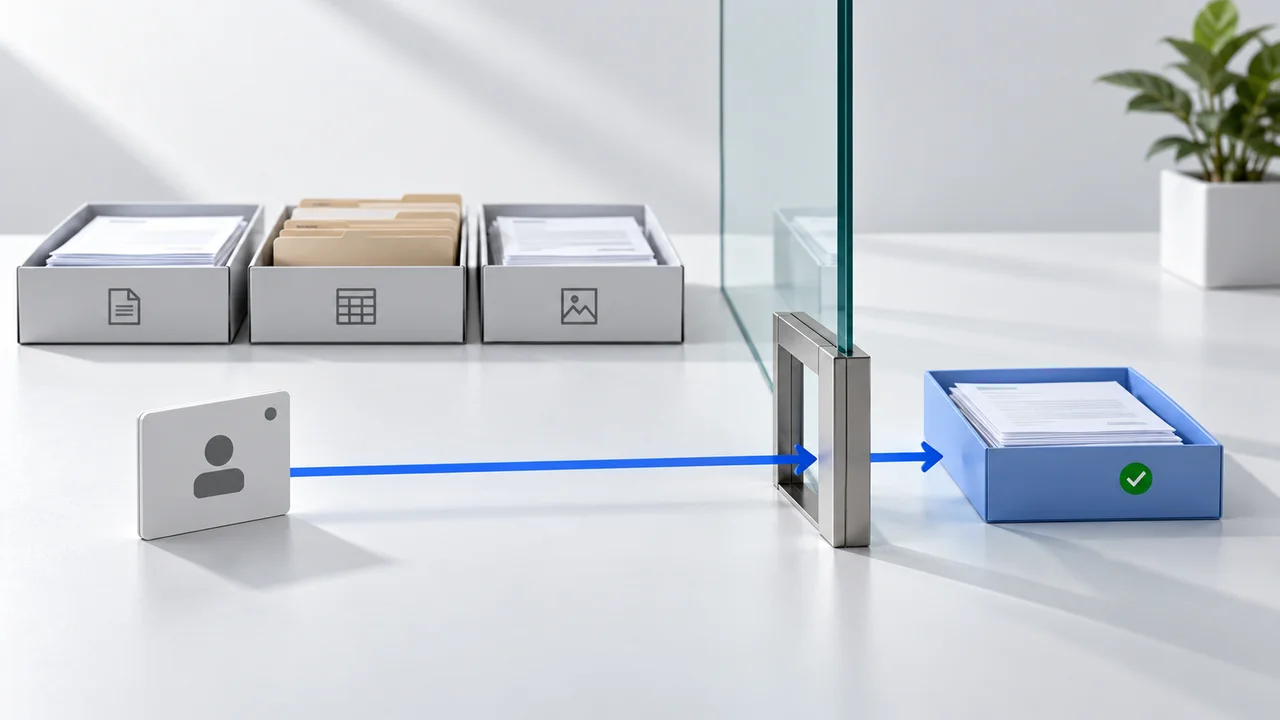
Gemini Agent: The Controls Your Integrations Still Need
Google introduced Gemini Agent on October 8. Here is how to scope evidence access, business writes, approvals, and recovery in a practical integration.
2026-10-11
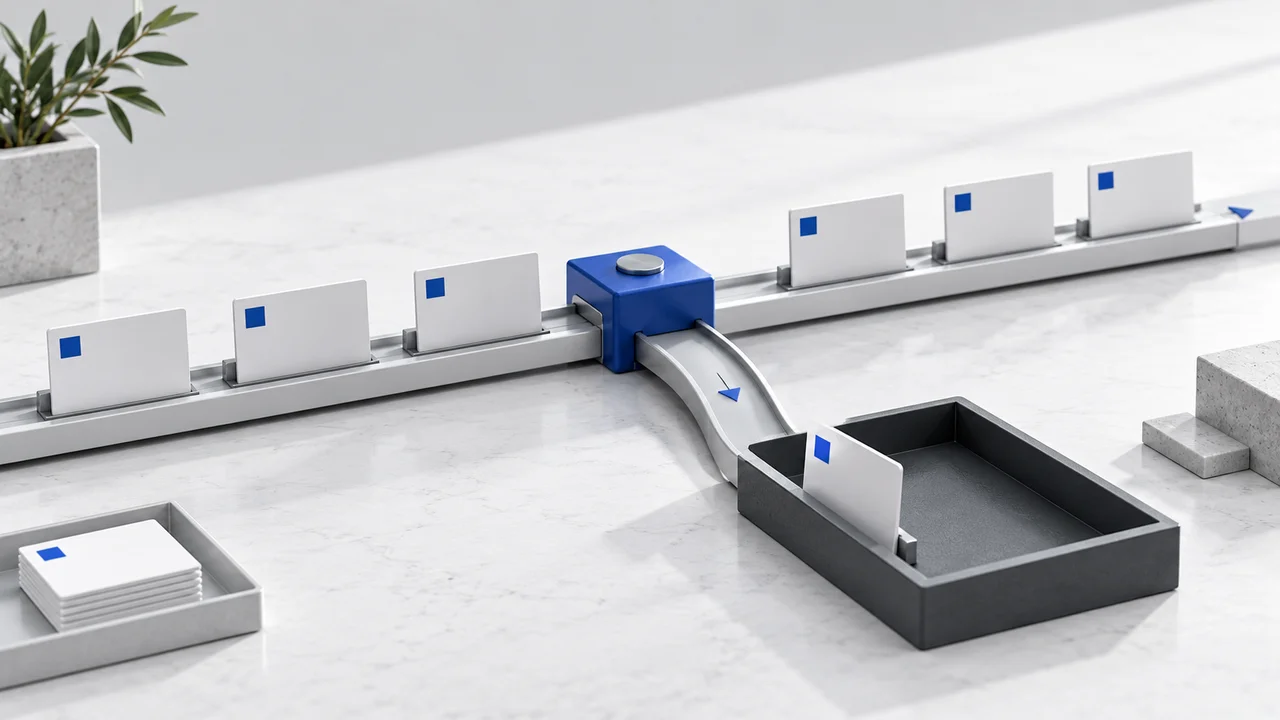
Claude Haiku 5.5: Route Work Before Switching Models
Haiku 5.5 gives teams a new small-model candidate. Evaluate routing, migration, escalation, and cost per accepted outcome before switching.
2026-10-06
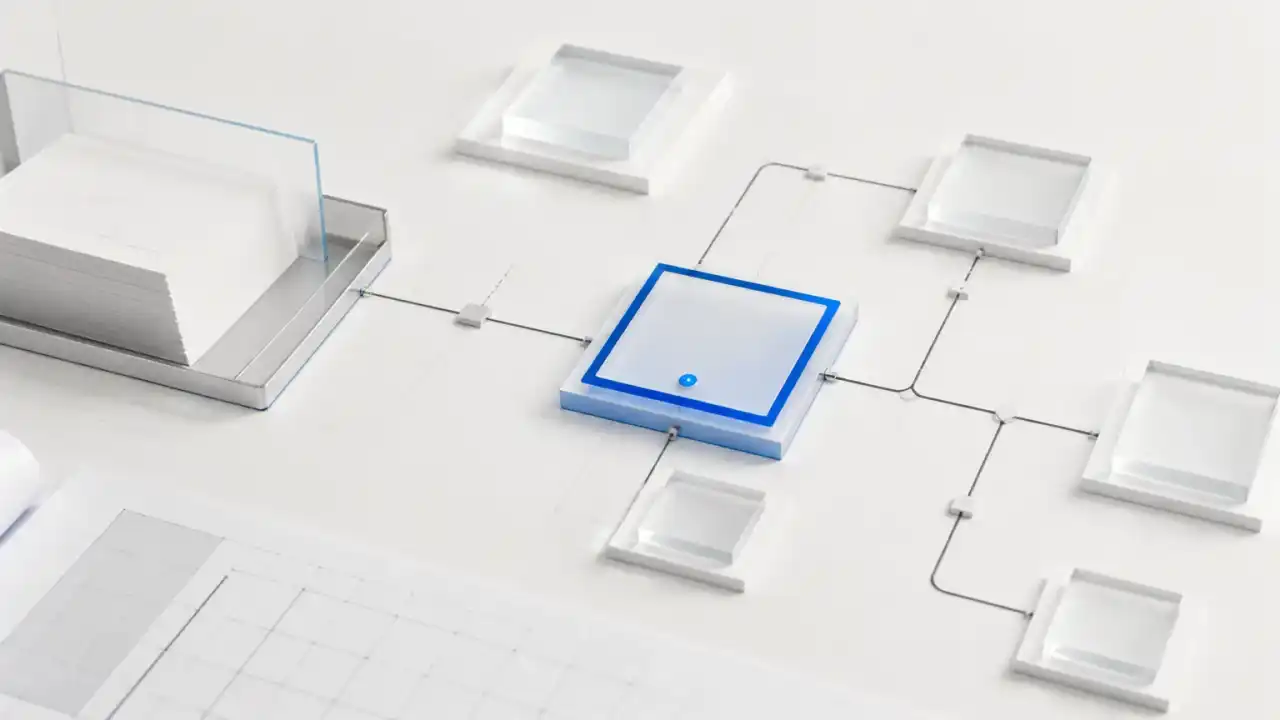
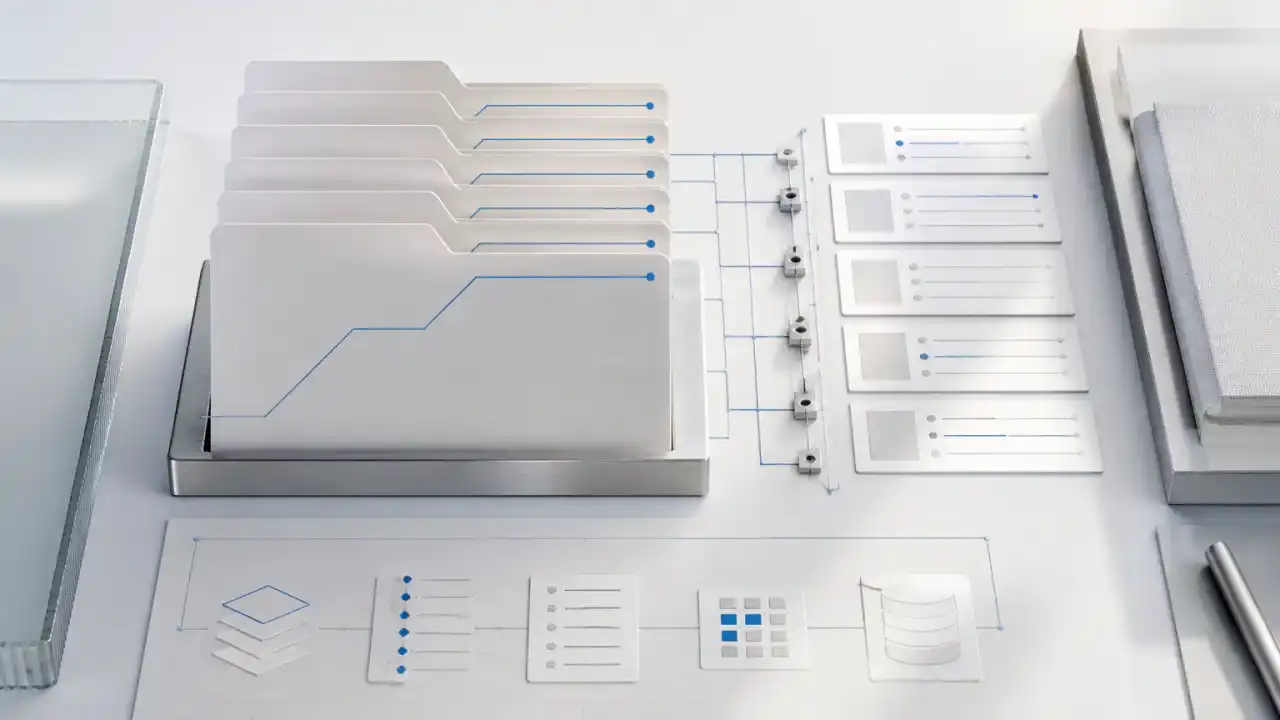
AI Support Agents: Triage, Actions, and Escalation
Enterprise AI agents can triage support, retrieve approved answers, update CRM records, and escalate risky cases with human oversight.
2026-10-06
RAG for Employee Support Without Permission Leaks
A permission-aware support workflow that retrieves approved HR, IT, and operations answers while keeping risky cases human-led.
2026-10-06
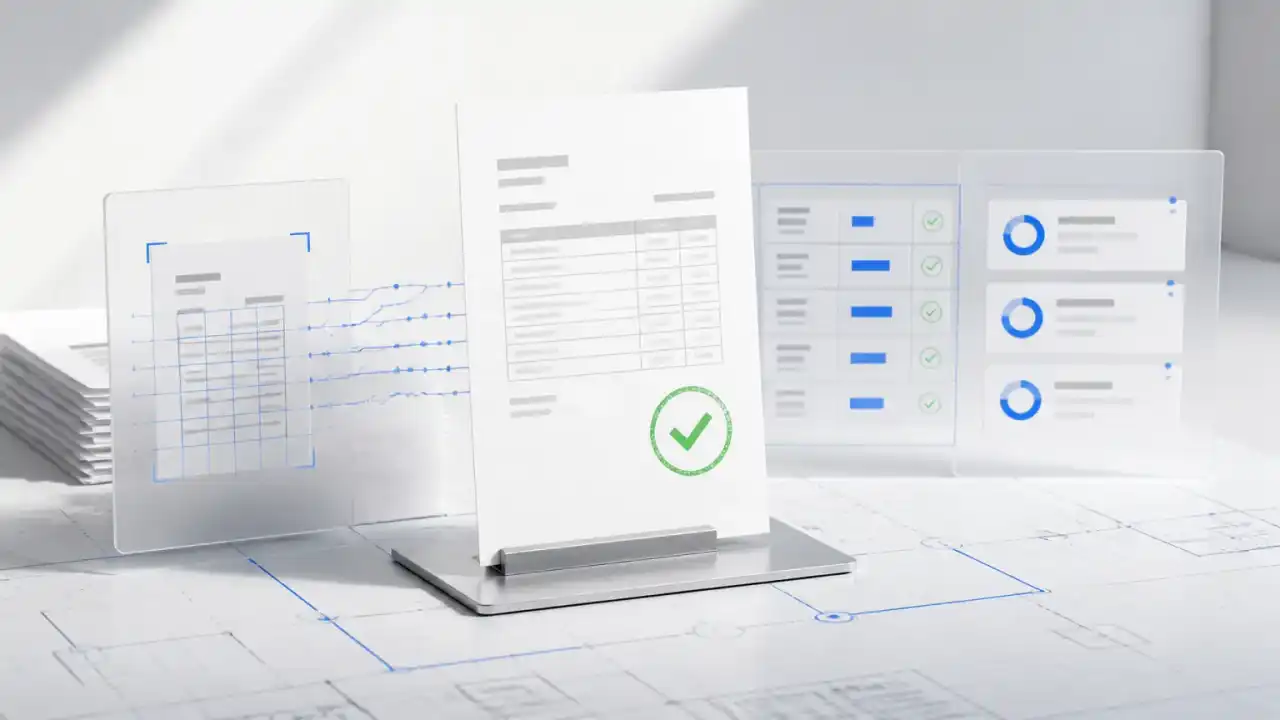
Invoices to Decisions: A Reliable AI Workflow
Turn invoices and business documents into governed decisions with OCR, NLP, validation, approvals, and measurable operating controls.

2026-09-23
GPT-6 Sol and Luna: Lower API Prices, Better Model Routing
GPT-6 Sol halves GPT-5.6 Sol token rates. Luna cuts input rates in half and output by about 58%. We examine where each model fits in production work.

2026-09-23
Claude Opus 5.5: What Its Lower API Price Changes
Opus 5.5 cuts standard input and output rates by 20% and cache reads by 60%. Here is how to measure the actual saving in long-running AI work.
2026-09-13
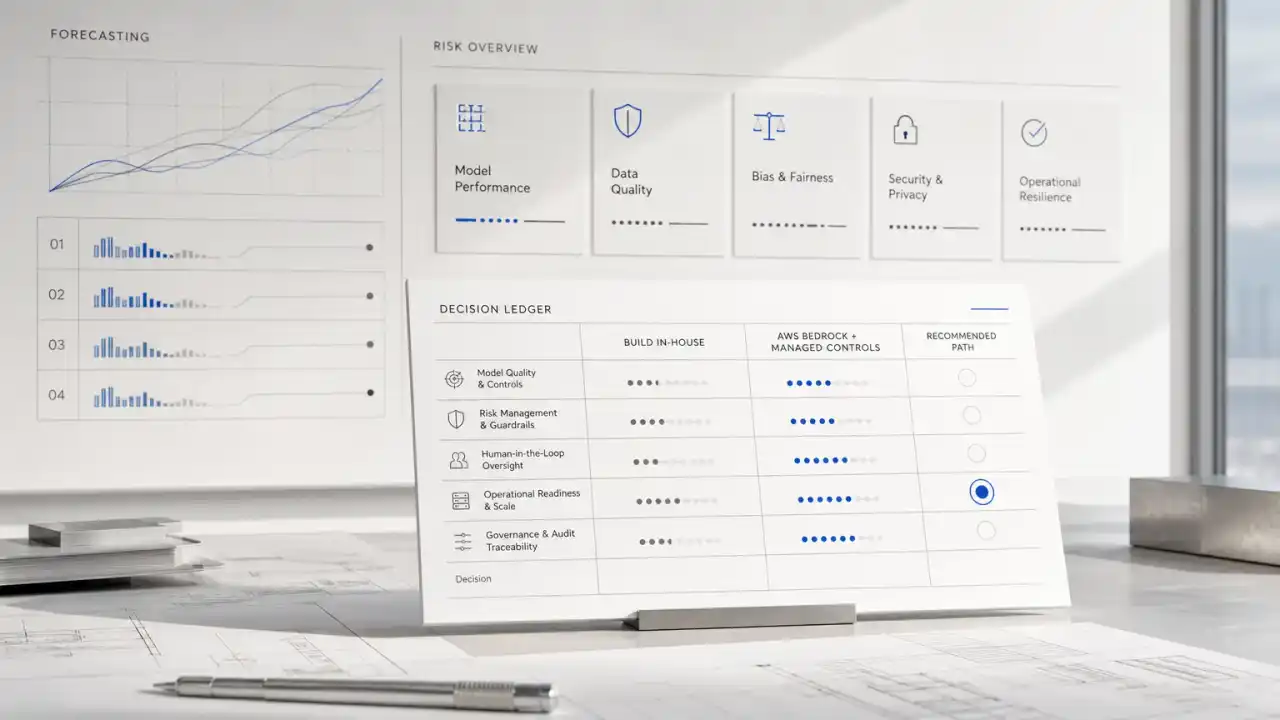
Enterprise AI Safeguards Change the Build Decision
Anthropic's new enterprise safeguards change how buyers evaluate sensitive AI workflows, approvals, storage, and production accountability.
2026-09-07
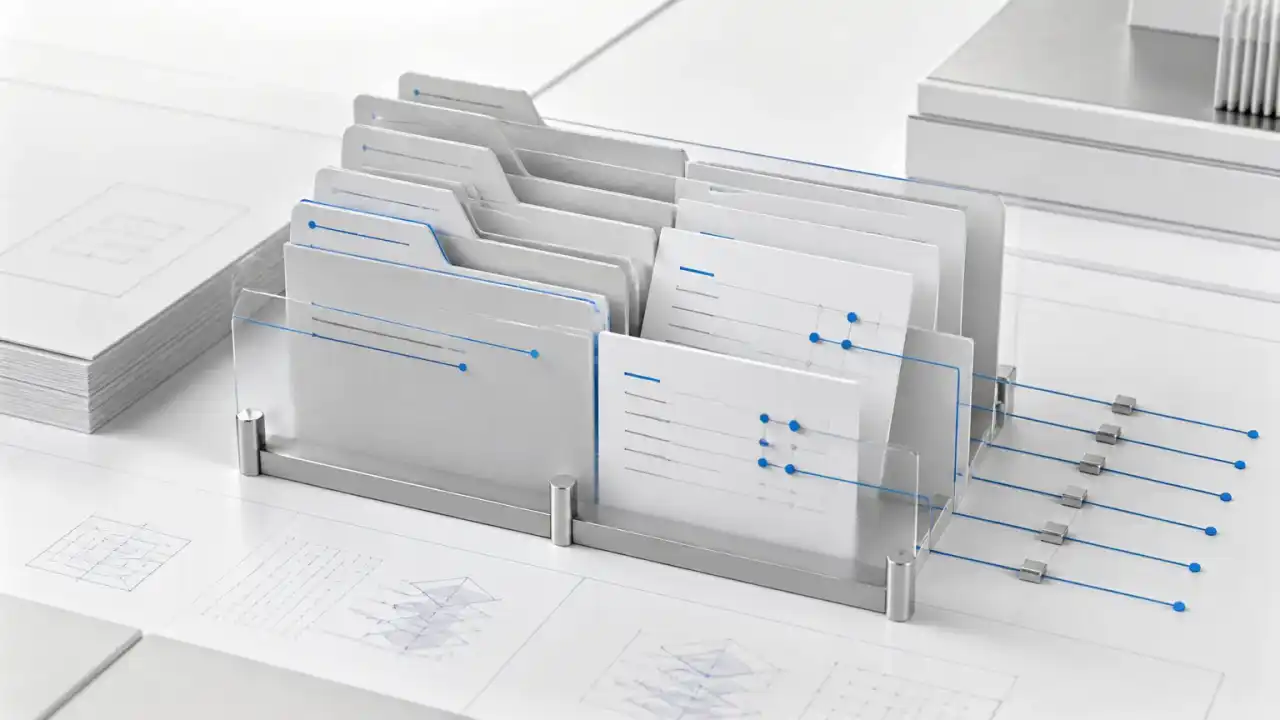
RAG Use Cases: Where Enterprise Retrieval Pays
See which RAG workflows justify a build, from permission-aware support and contracts to field service and sales retrieval.
2026-09-03
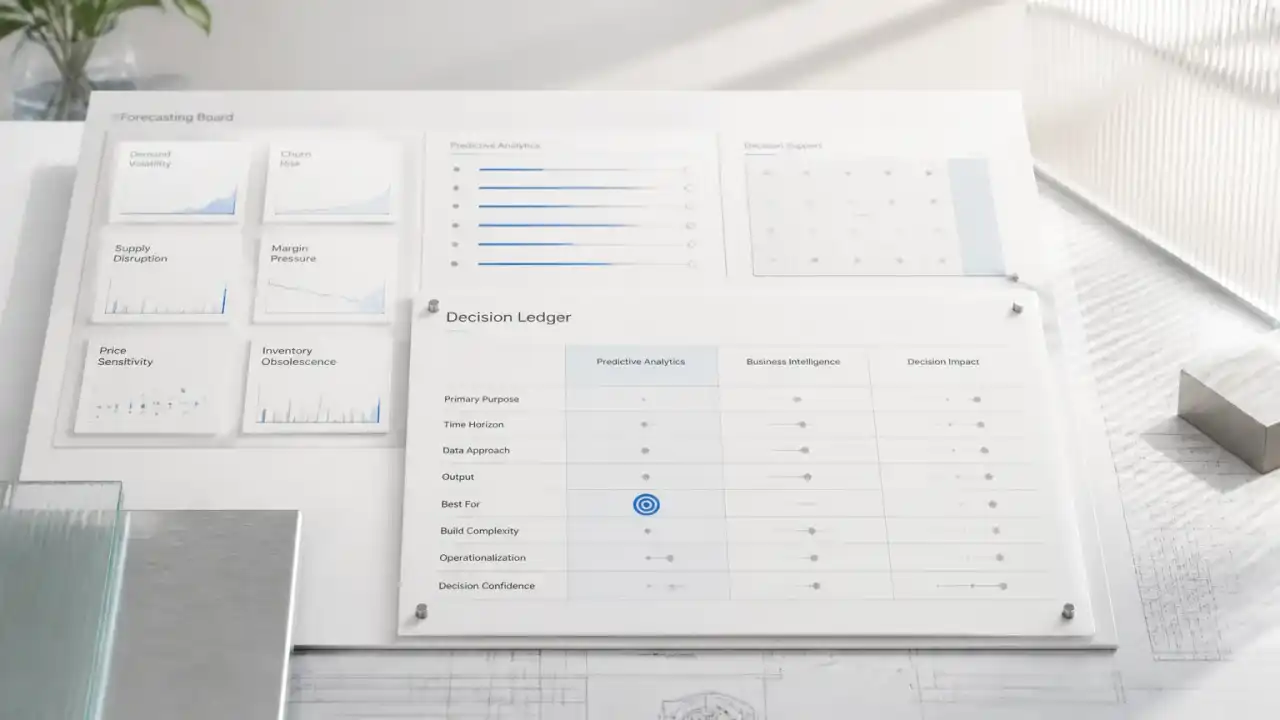
Predictive Analytics vs BI: Choosing the Right Build
A buyer's guide to choosing BI, predictive analytics, or both for forecasts, renewal risk, lead scoring, and operational decisions.
2026-08-30
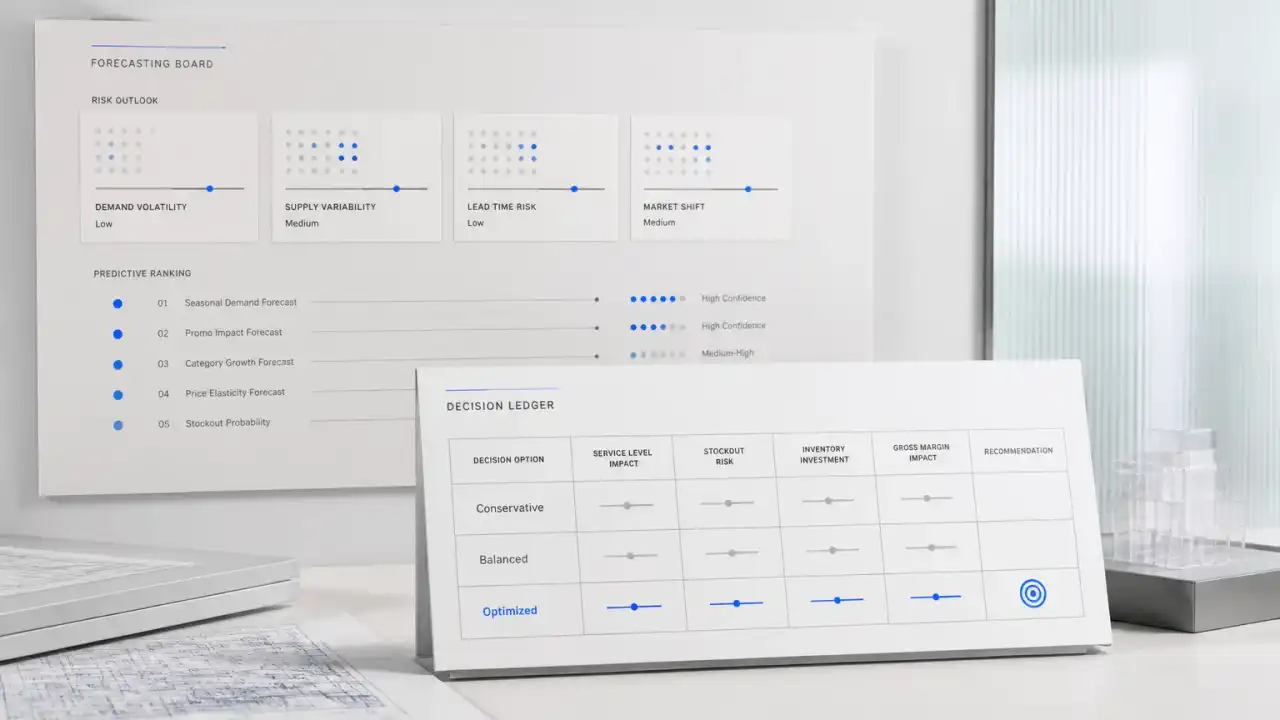
Retail Predictive Analytics for Inventory Decisions
Retail predictive analytics turns demand, inventory, and customer signals into governed inventory decisions that teams can act on sooner.