The problem: pilots that work, systems nobody can vouch for
Most AI pilots look good in a demo. The questions arrive when the system goes into daily use: Is it right often enough? What did it do on Tuesday? What happens when the provider is slow or down? Why did the bill double? Who approved that message? Without answers, a working system is still hard to rely on.
Governance, in this sense, is not a policy document.
Governance, in this sense, is not a policy document. It is a set of engineering artifacts that ship with the system: an evaluation set that defines "good", release gates, approval points for sensitive actions, fallback paths, data rules, monitoring and an audit trail someone can replay. Each one can be tested, and each one belongs in the code, not only in a slide.
The same controls answer the adoption question. New models arrive every few weeks with new prices and capabilities, and our Insights cover many of those launches. The practical question is never "is the new model better?" in general. It is whether it does your tasks at the quality you need, for less, without breaking an approval or fallback rule. Only an evaluation set built from your own work can answer that.
How to decide how much control you need, including when not to add it
Controls should match the risk of the work. A drafting assistant whose every output is read by a person needs light evaluation and logging. An agent that writes to customer records or sends external messages needs approval gates, fallbacks and an audit trail before it launches. Practical governance does not slow down every workflow; it puts the weight where the risk is.
Build when
- The system writes to business systems, contacts customers or makes commitments on the company's behalf.
- It handles personal, financial, regulated or confidential data, or crosses tenant boundaries.
- You are switching or adding models and need to show the change did not reduce quality.
- You are moving a prototype to production, or scaling a working pilot to more teams.
- AI spend or latency is growing and nobody can say which workflow drives it.
Don't build when
- Low-risk internal drafts that a person already reviews in full. Basic logging is enough to start.
- Switching models on launch pricing alone. Measure cost per accepted outcome on your own tasks first.
- Expecting a stronger model to fix stale or missing sources. Correct the sources first.
- Adding a review step to every action. Gates on low-risk steps produce approvals nobody reads.
Options, simplest first
Process change or an existing product
Prefer a clear procedure, rule or built-in AI capability when it meets the task and the control requirements.
Context and system review
Inspect what enters the model, what is retrieved, what is kept in memory and what should be excluded, and evaluate changes against the same representative tasks.
A custom pilot and rollout plan
Specify the integration, sources, evaluation, cost limits and owner handoff before production development starts.
Reference architecture: the control plane around an AI system
These controls sit around any agent, search system, extraction pipeline or predictive model. Each one produces evidence a reviewer can check.
- 01Evaluation set and baseline
- 02Release gates
- 03Risk-based approval gates
- 04Model routing and fallbacks
- 05Data and context controls
- 06Observability and cost tracking
- 07Drift and quality monitoring
- 08Audit trail
Evaluation set and baseline
Representative tasks with the expected result, plus the current quality and cost baseline. Every later change is measured against the same set.
Release gates
Acceptance criteria a release must meet before it reaches users, including the difficult and adversarial cases, not only the happy path.
Risk-based approval gates
Sensitive actions such as sending messages, changing records or exporting data pause for an authorised person. Low-risk steps run with logging. See approval points and fallback paths.
Model routing and fallbacks
Each task goes to the cheapest model that meets its quality bar. Fallbacks define what happens during latency spikes, rate limits or provider failure: a smaller model, a backup provider, a cached result or a manual review queue.
Data and context controls
Documented rules for source access, context selection, memory retention and tenant isolation, enforced in code. In a read-only analytics system, for example, AI-authored queries run through a restricted role with statement timeouts.
Observability and cost tracking
Step-level logs, traces and token spend per workflow, so quality problems and cost growth can be traced to a cause.
Drift and quality monitoring
Quality is tracked continuously against a threshold. When it drops, engineers are alerted and a recalibration or rollback is queued.
Audit trail
Suggestions, user edits, approvals, exports and final actions are logged against the source records and model output that produced them.
Quellix calls this review the AI Operating Map: every AI workflow is reviewed across value, data, model routing, memory, cost and safety controls before teams scale adoption.
Common failure modes
Governance usually fails quietly, through controls that exist on paper but not in the running system. These are the gaps we look for first.
Evaluating on demos
A handful of hand-picked examples says little about production. Build the evaluation set from real tasks, including messy and unanswerable ones.
No production monitoring
A system that passed offline tests can degrade as data, users or models change. Track quality after launch, not only before it.
Undefined fallback
When the provider times out, the workflow simply stops. Decide in advance which tasks fall back to which model, cache or queue.
Silent regressions after a model change
A new model is cheaper and mostly better, but fails on one task the team depends on. Re-run the full evaluation set before every switch.
Logs that cannot answer "why"
Request logs without decisions, sources or approvals cannot reconstruct what happened. Log at the step level; see step-level logging.
Cost creep from context growth
Prompts, retrieved passages and memory grow release by release, and spend grows with them. Review what enters the context window, not only which model reads it.
Approval fatigue
When everything needs sign-off, reviewers approve without reading. Gate by risk.
Disclosure treated as an afterthought
Customer-facing AI may need disclosure, handoffs and evidence trails by design. See EU transparency guidance for customer AI.
Cost and effort drivers
The cost of governance is mostly the cost of evidence: building it once, then keeping it current. These factors move it most.
Building the evaluation set
Lower effortExisting test cases to start fromHigher effortTasks and expected results built from scratchRepresentative tasks and expected results come from people who know the work. It is the largest early effort and the one that makes every later decision cheaper.
Number of workflows in scope
Lower effortOne workflowHigher effortSeveral workflows and teamsEach workflow needs its own tasks, thresholds and owners. Starting with one workflow keeps the first release focused.
Risk and regulatory requirements
Lower effortInternal, low-risk draftsHigher effortCustomer contact, sensitive or regulated dataSensitive data, customer contact and regulated decisions add approval design, retention rules and audit requirements.
Logging and retention
Lower effortBasic request logsHigher effortStep-level traces and audit trails with retention rulesStep-level traces and audit trails need storage, access controls and a retention policy that matches the data.
Model spend
Lower effortShort prompts, routed and cachedHigher effortLarge context on every callPrompts, retrieval, context size, caching, batching and memory set the running cost. Routing is evaluated against the quality each task needs before a cheaper path is recommended.
Re-evaluation per change
Lower effortAutomated evaluation runHigher effortManual review after every changeEvery model, prompt or source change needs a run of the evaluation set. Automating that run keeps the cost of each change low.
Quellix scopes this work as advisory, implementation or both: a free AI Fit Review, then a roadmap with acceptance criteria, release gates and separately scoped implementation milestones. See how we work and pricing.
Service and case studies
ServiceAI Adoption Consulting & Integration ServicesHow Quellix scopes, builds and hands over this kind of system.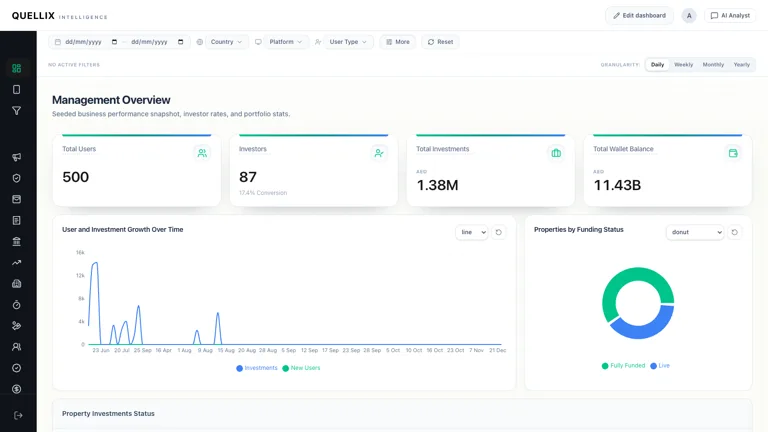 Case studyFail-closed controls for an AI analystAI-authored queries run read-only through a restricted role; mutations, unsafe functions, excessive cost and oversized results are rejected before display.
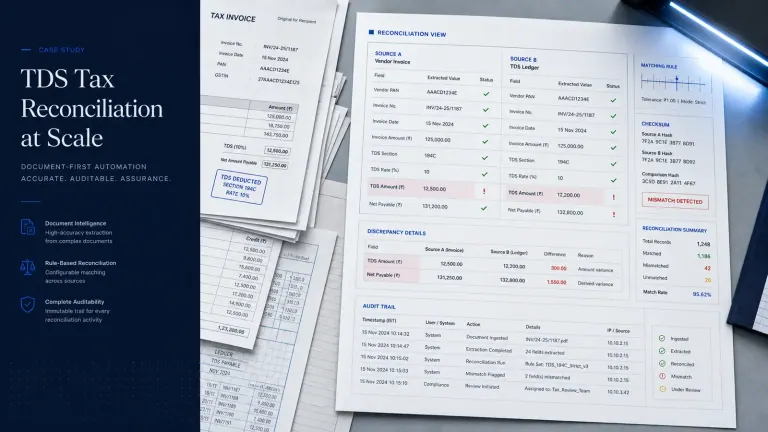 Case studyAn audit-ready approval trailSuggestions, user edits, approvals, exports and final actions are logged against the source records and model output used to generate them.
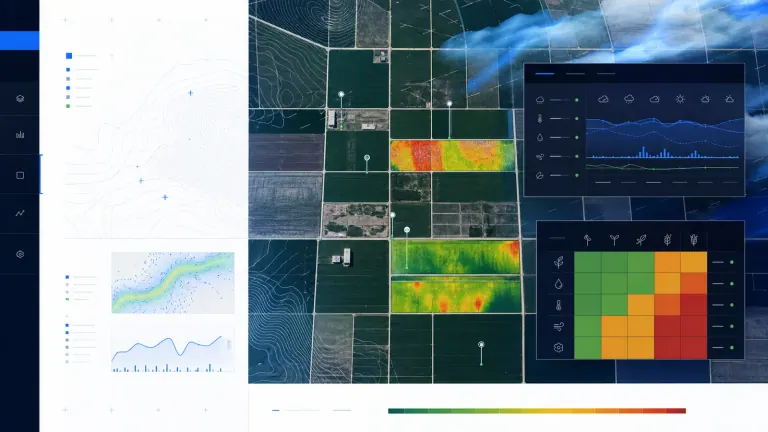 Case studyDrift monitoring on a forecasting systemForecast accuracy is tracked continuously; when it drops below threshold, engineers are alerted and a recalibration run is queued.
The case studies demonstrate workflow, integration and operating-control experience. Their outcomes do not establish that the same architecture or savings will apply to a new engagement.
Start here
The articles below go deeper on the parts of this guide that teams ask about most, in a sensible reading order.
- AI Workflow Governance with Approval GatesApproval gates, fallback paths and logs that keep risky actions reviewable.
- Enterprise AI Safeguards Change the Build DecisionHow enterprise safeguards change the build decision for sensitive workflows.
- Fable 5 AI Agent Governance with Approval GatesApproval gates, safety filters and step-level observability for a capable agent model.
- GPT-5.6 for Enterprise AI AdoptionPlanning a model adoption around routing, governance and cost controls.
- Kimi K3 Adoption: Workflow Tests and Approval GatesWhy an open-weight model still needs workflow tests and approval gates.
- Claude Opus 5.5: What Its Lower API Price ChangesHow to measure the real saving from a lower API price in long-running work.
- Claude Haiku 5.5: Route Work Before Switching ModelsRouting work to a smaller model before switching wholesale.
- EU Transparency Guidance Changes Customer AI WorkflowsDisclosure, handoffs and evidence trails as a design requirement.
Every AI Governance & Evaluation article
All 9 published field notes in this cluster, newest first.
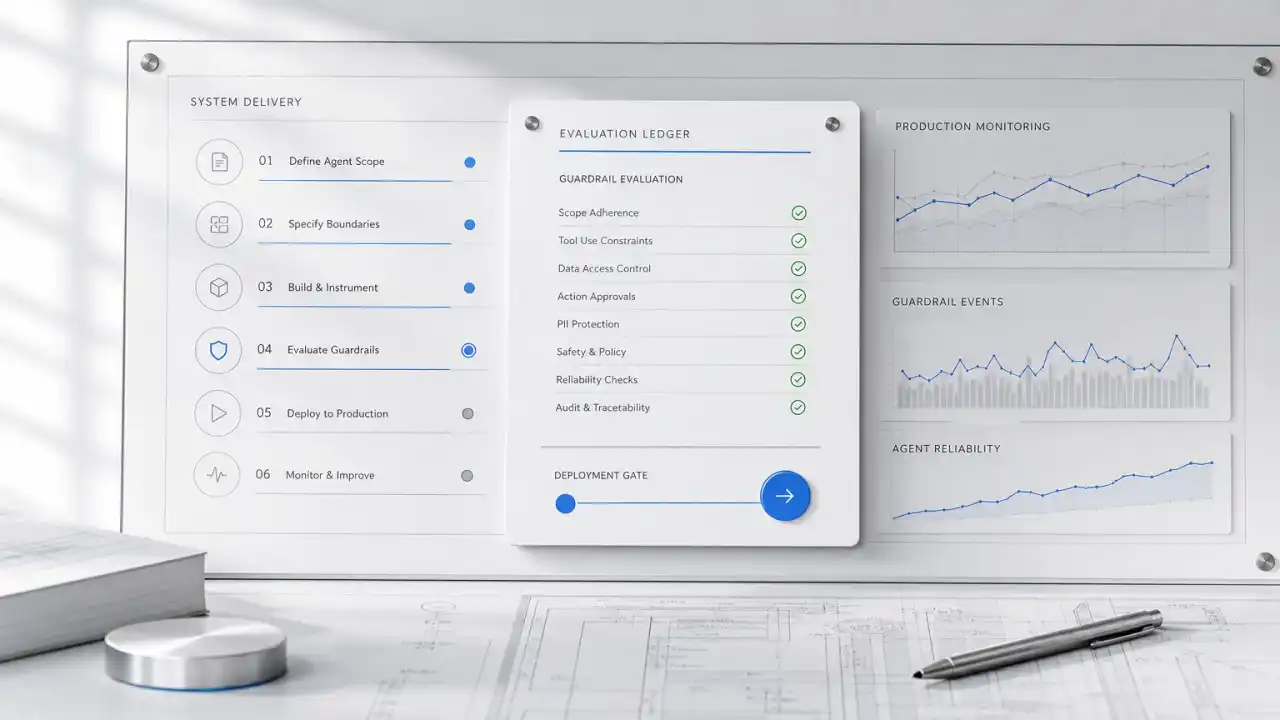 AI Agent Boundaries Need More Than Prompt Rules
Recent agent evaluations show why prompts and turn-based checks can miss risky actions-and what runtime gates, isolation, and logs change.
 GPT-6 Sol and Luna: Lower API Prices, Better Model Routing
GPT-6 Sol halves GPT-5.6 Sol token rates. Luna cuts input rates in half and output by about 58%. We examine where each model fits in production work.
 Claude Opus 5.5: What Its Lower API Price Changes
Opus 5.5 cuts standard input and output rates by 20% and cache reads by 60%. Here is how to measure the actual saving in long-running AI work.
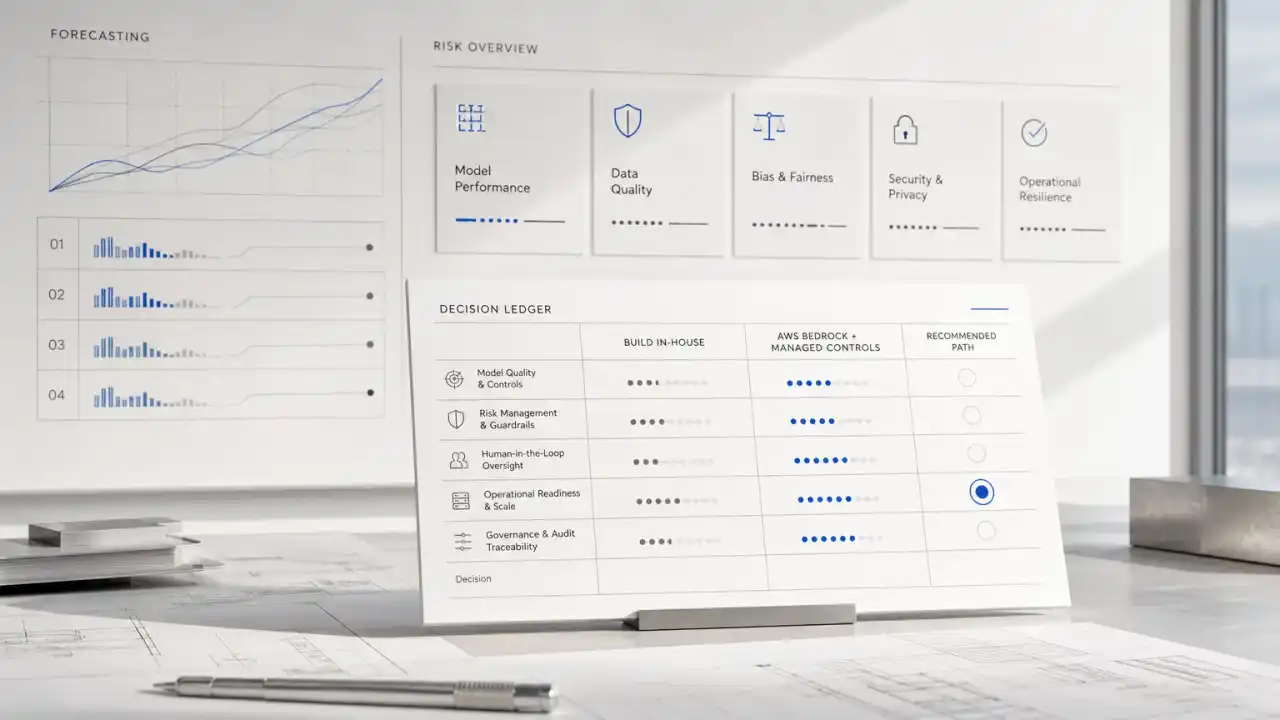 Enterprise AI Safeguards Change the Build Decision
Anthropic's new enterprise safeguards change how buyers evaluate sensitive AI workflows, approvals, storage, and production accountability.
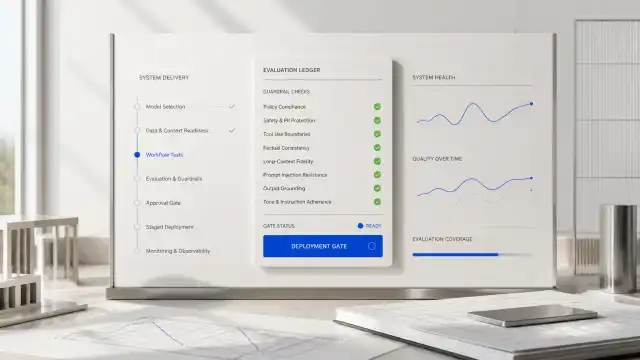 Kimi K3 Adoption: Workflow Tests and Approval Gates
Kimi K3 narrows the open-weight capability gap, but enterprises still need workflow tests, deployment controls, and approval gates.
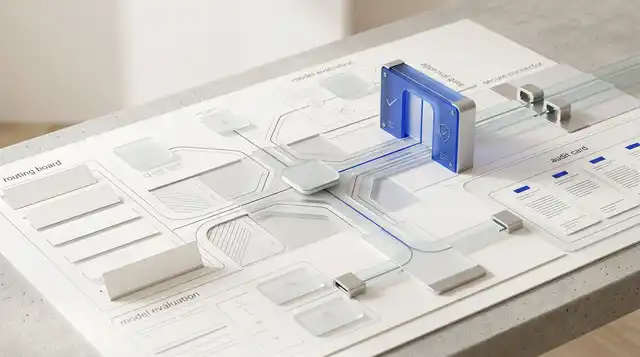 GPT-5.6 for Enterprise AI Adoption
Plan GPT-5.6 adoption around routing, governance, cost controls, approval gates, and workflow evidence.
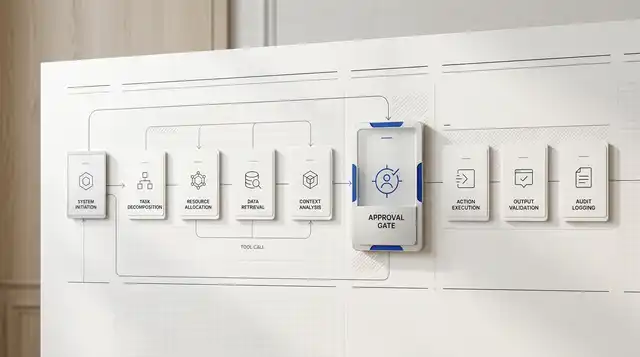 Fable 5 AI Agent Governance with Approval Gates
Implement robust approval gates, safety filters, and step-level observability to govern Claude Fable 5 agents in enterprise workflows.
 Claude Fable 5 for Enterprise AI Agents
Evaluate whether Claude Fable 5-style autonomy, visual reasoning, and tool use fit enterprise AI workflows.
 AI Workflow Governance with Approval Gates
Govern AI workflows with approval gates, fallback paths, and logs so risky actions stay reviewable before execution.
Browse by category: AI Governance & Evaluation, MLOps & Production Reliability, AI Adoption & Integration
Running AI you can't fully vouch for?
Bring one AI workflow, its current cost and the question you cannot answer about it. An engineer will map the evaluation, controls and fallbacks it needs.